

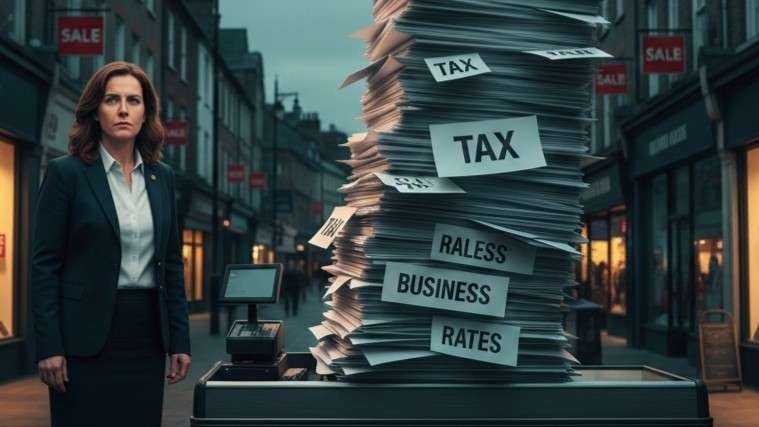
The Growing Pressure on Retailers Amid Policy Changes
As the UK’s economic environment continues to shift, businesses across the retail sector are keeping a close watch on government fiscal strategies. Many brands, from small shops to nationwide chains, are seeking clarity on how tax reforms will influence their operating costs, consumer prices, and long-term planning. Central to this conversation are ongoing discussions around retailers tax concerns rachel reeves, a topic that has sparked debate among economists, business owners, and policymakers alike. With uncertainty still present in the market, understanding the core issues behind these concerns is essential for both retailers and consumers.
How Tax Policies Influence Retail Profitability
Taxation plays a major role in determining the financial stability of the retail sector. Whether it involves business rates, VAT adjustments, or incentives for growth, any change can ripple through supply chains and pricing strategies.
Key Areas Affecting Retail Finances
One major area often highlighted by industry experts revolves around business rate reforms. Retailers argue that the current model places disproportionate pressure on physical stores compared to online competitors. This imbalance intensifies when tax updates are introduced without sufficient transitional support.
Why Retailers Seek Predictability
Retail businesses thrive when they can forecast future operating costs accurately. Sudden shifts in tax policy make budgeting and growth planning difficult. That is why many executives stress the need for clarity when addressing retailers tax concerns rachel reeves, as stable guidelines allow them to invest confidently in expansion, staff training, and technological upgrades.
Digital Transformation and Its Impact on Retail Taxation
As e-commerce continues to rise, many retailers have diversified their operations. However, this transformation has also created new tax-related challenges that the government must consider.
Balancing Online and Offline Tax Obligations
The growth of online retail has led to debates about fair taxation. Traditional retailers often pay higher property-based taxes, while digital-only brands face different financial obligations. Many business groups hope that future policy proposals will create a fairer system—one that acknowledges the realities of modern retail while avoiding punitive measures that hinder innovation.
The Politics Behind Retail-Related Tax Decisions
Political priorities shape tax frameworks, and retailers understand this better than most. Public service funding needs, economic growth plans, and labour market goals all influence tax policy direction. When addressing retailers tax concerns rachel reeves, political alignment and government strategy play key roles in shaping expectations within the retail community.
Retail Sector Reactions and Industry Advocacy
Retail trade bodies, business associations, and independent shop owners often share their perspectives with policymakers. Their goal is to ensure that tax decisions support—not hinder—economic vitality.
Industry Consultations and Recommendations
Organizations such as the British Retail Consortium frequently emphasize the importance of relief measures, sustainability incentives, and reduced administrative burdens. When policymakers understand the daily realities retailers face, tax frameworks can become more effective and business-friendly.
Protecting Jobs and Local High Streets
Retail is one of the UK’s largest private-sector employers. High streets depend on thriving stores, which in turn rely on manageable taxes. Many leaders note that constructive dialogue on retailers tax concerns rachel reeves is essential to safeguard jobs, encourage foot traffic in town centres, and maintain community-based commerce.
Preparing for the Future: What Retailers Can Expect
While policy directions may shift, retailers can strengthen resilience by preparing for possible tax adjustments and emerging industry trends.
Strategies for Navigating Tax Changes
Businesses can mitigate uncertainty by investing in financial planning tools, staying connected with industry associations, and exploring cost-saving innovations such as improved energy efficiency or automated systems. These strategies help retailers adapt to policy updates with greater confidence.
Encouraging Sustainable Growth
Many tax discussions today also revolve around sustainability. Incentives for reducing carbon footprints, improving packaging standards, or transitioning to green energy may support retailers in making long-term improvements that benefit both their finances and the environment.
FAQs
What are the main concerns retailers have regarding future tax changes?
Retailers worry about rising business costs, unfair competition between online and physical stores, and unpredictable changes that disrupt planning.
How might tax reforms impact product pricing?
If taxes increase, retailers may have to adjust product prices to maintain profitability, which can affect consumer purchasing habits.
Why is business rate reform important?
Current business rates place a heavier burden on physical shops, making it harder for them to compete with online platforms.
Are small retailers affected differently than big chains?
Yes. Smaller shops often have fewer resources to absorb tax increases, making them more vulnerable to financial strain.
How can retailers stay prepared for policy shifts?
Remaining engaged with industry groups, practicing strong financial planning, and adopting innovative business practices can help retailers adjust smoothly.
Conclusion
The evolving UK economic landscape continues to place retail businesses at the centre of tax policy discussions. With ongoing debates surrounding retailers tax concerns rachel reeves, the sector is looking for transparency, fairness, and long-term stability. Whether these reforms involve business rates, digital taxation, or sustainability incentives, what matters most is creating a balanced system that supports growth, protects jobs, and ensures a healthier retail environment for the future. By staying informed and proactive, retailers can navigate these changes effectively and continue serving customers in an increasingly dynamic marketplace.