

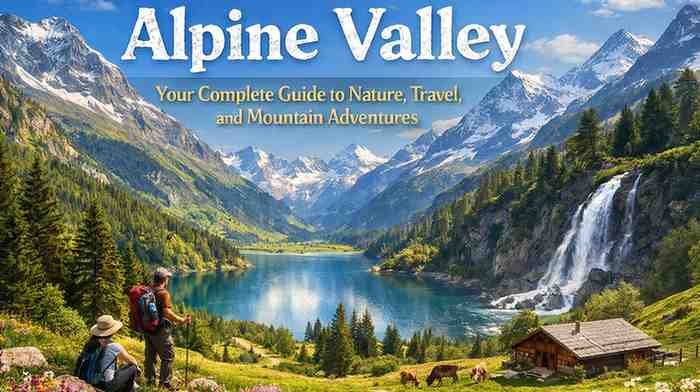
Understanding the Natural Beauty of Alpine Landscapes
The world is filled with breathtaking terrains, but few places capture the imagination quite like an alpine valley. These high-altitude regions are more than just scenic destinations; they are ecosystems shaped by centuries of geological evolution. With dramatic slopes, crisp mountain air, and diverse wildlife, these landscapes inspire hikers, photographers, and nature lovers alike. Many travelers visit these areas seeking tranquility, escape, and a connection to untouched wilderness.
Seasonal Transformations in Mountain Valleys
Each season paints a new picture across the mountains. Spring brings blooming wildflowers, summer offers crystal-clear lakes and warm hiking days, autumn showcases fiery forests, and winter transforms everything into a snowy wonderland. These seasonal cycles are key reasons why alpine destinations attract millions of visitors every year.
Outdoor Activities That Make These Regions Popular
Adventure seekers have long been fascinated by the experiences found within an alpine valley. From high-intensity trekking to peaceful forest walks, these landscapes offer something for every type of traveler. Visitors can enjoy skiing, snowboarding, mountain biking, paragliding, and camping depending on the time of year.
Hiking Trails and Summit Routes
Well-marked mountain trails allow beginners and experts to choose routes that match their comfort level. Many trails lead to panoramic viewpoints, waterfalls, or serene lakes nestled between rocky cliffs.
Winter Sports and Alpine Thrills
When winter arrives, ski resorts come alive. Powdery snow, long slopes, and advanced facilities draw both casual skiers and professional athletes.
Cultural and Historical Significance of Mountain Regions
Beyond their natural beauty, mountain valleys hold deep cultural importance. Communities living in elevated terrains often maintain traditions passed down through generations. Their folklore, cuisine, and festivals are shaped by the rugged environment around them.
Local Traditions and Mountain Heritage
Travelers often find that an alpine valley is not just a geographical location—it is a lifestyle. From handcrafted wooden homes to traditional farming methods, everything reflects resilience and connection to the land.
Planning the Perfect Trip to a Mountain Destination
Whether you’re an adventure lover or someone who simply wants a peaceful retreat, planning ahead ensures a meaningful experience. Start by identifying what kind of scenery and activities appeal to you most—lush green valleys, snowy passes, or serene lakes.
Accommodation options range from cozy cabins to luxury lodges. Transportation also varies depending on the region: some valleys are accessed through scenic train routes, while others require mountain roads or cable cars.
Packing is essential as weather can change rapidly. Layers, good hiking shoes, and essential safety gear are always recommended when traveling to high-altitude regions.
Tips for First-Time Mountain Travelers
- Check local weather updates
- Keep hydration a priority
- Start with short trails if adjusting to altitude
- Respect wildlife and environmental rules
Why an alpine valley Is Becoming a Top Travel Trend Today
In recent years, travelers have increasingly sought destinations that offer natural beauty, mental relaxation, and immersive outdoor experiences. This shift has made the alpine valley one of the most desirable getaway options.
People want to disconnect from busy city life, breathe fresh air, and enjoy stunning landscapes. Social media has also played a role; captivating mountain photos inspire adventure lovers worldwide to pack their bags. Sustainability-focused tourism contributes to the popularity as well, encouraging responsible travel in fragile ecosystems.
Modern travelers are drawn to the promise of peaceful mornings, scenic viewpoints, and unforgettable sunsets behind towering peaks. A visit to a mountain valley isn’t just a trip—it’s an experience that stays with you long after you return home.
FAQ Section
Q1: What makes an alpine valley different from other valleys?
An alpine valley forms at high elevations and features rugged mountains, colder climates, and unique ecosystems.
Q2: Is it safe to travel to mountain valleys in winter?
Yes, as long as travelers follow safety guidelines, check weather conditions, and stay within designated paths or resort boundaries.
Q3: What are the best activities to enjoy in these regions?
Hiking, skiing, camping, photography, and wildlife exploration are among the most popular activities.
Q4: Do I need special equipment for hiking?
Basic gear like sturdy shoes, warm clothing, and hydration supplies is enough for beginners, while advanced hikers may require additional tools.
Q5: Can families visit high-altitude destinations?
Absolutely. Many mountain valleys offer family-friendly activities, gentle trails, and comfortable accommodations.
Conclusion
An alpine valley represents more than just a travel destination—it’s a symbol of nature’s untouched beauty and adventure. Whether you seek thrilling outdoor sports or peaceful scenic moments, mountain regions offer an experience that refreshes both body and mind. With rich culture, dramatic landscapes, and year-round activities, these valleys continue to attract travelers from around the world. The next time you plan an escape, consider exploring the wonders of an alpine valley and discover the magic hidden among the mountains.