
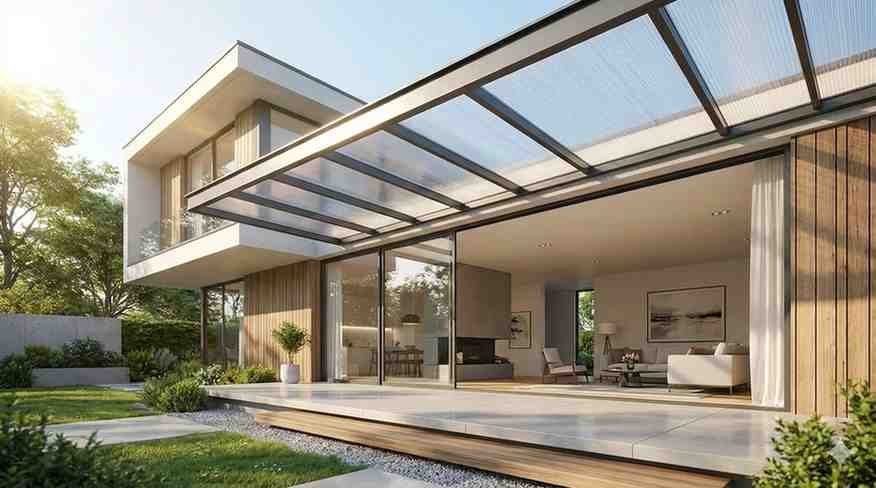
Acryldach has become a popular roofing choice for homeowners and commercial property owners looking for a durable, transparent, and energy-efficient solution. As construction trends shift toward modern materials that offer longevity and aesthetic value, this innovative roof type continues to gain attention. Whether for carports, terraces, garden structures, or industrial spaces, many people now prefer acrylic roofing due to its ability to provide natural light, weather resistance, and versatile design options. In this article, we explore the features, advantages, installation considerations, and long-term value of using this roofing material in various building projects.
Understanding Acrylic Roof Panels and Their Popularity
Acrylic roof panels have evolved significantly over the years. They are lightweight yet strong, creating an ideal balance for both modern homes and commercial structures. One of the reasons acryldach systems are becoming more widely used is their clarity and ability to withstand environmental pressures without yellowing or fading.
Types of Acrylic Roof Panels
Modern roofing manufacturers offer a range of acrylic sheets, including clear panels, tinted variants, and frosted options for better privacy. Each type offers specific light-transmission levels, allowing property owners to customize the ambiance of their covered spaces.
Why Acrylic Roofing Has Gained Market Demand
With rising interest in energy-efficient and sustainable construction, acrylic roofs provide natural illumination, reducing the dependence on artificial lighting. This not only saves energy but also enhances the visual comfort of outdoor and semi-outdoor areas.
Key Advantages of Choosing an Acrylic Roofing System
People appreciate roofing systems that deliver long-term value, and an acryldach offers numerous advantages that outperform traditional materials. Acrylic roofs are especially popular for patios, pergolas, balconies, and greenhouses.
Superior Weather Resistance
Acrylic panels can withstand extreme temperatures, heavy rainfall, UV radiation, and snow load. Thanks to their excellent structural integrity, they ensure reliable performance throughout the year.
Lightweight Yet Highly Durable
Unlike glass or certain polycarbonate alternatives, acrylic sheets provide a better strength-to-weight ratio. This makes them easier to install, transport, and maintain, without compromising on safety or stability.
Installation Considerations for Acrylic Roof Projects
Installing an acrylic roof involves proper planning and expert evaluation. While many DIY enthusiasts attempt small projects, larger structures require professionals for durability and precision.
Preparing the Roof Frame
Before installing an acrylic sheet roof, it is important to create a strong supporting frame. Wood, steel, or aluminum frames are commonly used depending on the type of structure and environmental exposure.
Ensuring Proper Sealing and Ventilation
Well-sealed joints protect the roof from water leaks and moisture buildup. At the same time, incorporating ventilation channels prevents heat accumulation during summer, ensuring a comfortable covered area.
Using an acryldach also requires selecting the right thickness and panel size for the intended load-bearing needs. The right decisions at this stage significantly influence long-term performance.
Design Possibilities and Aesthetic Benefits of Acrylic Roofing
Modern architectural trends favor materials that enhance both practicality and visual appeal. Acrylic roofing allows for a wide range of design possibilities while maintaining a sleek and clean look.
Customization Options
Acrylic sheets are available in different colors, textures, and transparency levels. They can be curved, cut, or shaped for unique architectural designs. Whether you want a fully clear roof or a diffused-light setup, there is a suitable option available.
Enhancing Outdoor Living Spaces
Many homeowners use acrylic roofs to transform patios, decks, and garden spaces into bright and comfortable relaxation areas. The natural light passing through the roof creates a lively and warm atmosphere during daylight hours.
By selecting an acryldach, homeowners can add elegance while ensuring functionality, making it an ideal choice for contemporary exterior design.
Maintenance Tips for Long-Lasting Acrylic Roof Panels
Acrylic roofing is known for its longevity, but proper maintenance ensures optimal performance and appearance for many years.
Cleaning and Care
Regular cleaning with mild soap and water helps prevent dirt buildup. Avoid abrasive materials or harsh chemicals to maintain the clarity of the panels.
Regular Inspection
Check for cracks, loose fittings, or damaged seals at least once a year, especially after harsh weather. Quick repairs help extend the overall lifespan of the structure.
These simple steps help preserve the quality of an acryldach and reduce long-term maintenance costs.
FAQ – Common Questions About Acrylic Roofing
Q1. Is acrylic roofing suitable for areas with heavy rainfall?
Yes, acrylic roofing is designed to resist moisture and can withstand heavy rainfall when properly installed and sealed.
Q2. Does acrylic roofing block UV rays?
Most modern acrylic panels come with UV protection layers that reduce harmful radiation while still allowing natural light.
Q3. Can acrylic roofs be used on commercial buildings?
Absolutely. Many commercial spaces use acrylic roofing for skylights, walkways, and warehouse extensions.
Q4. How long does an acrylic roof typically last?
With proper maintenance, acrylic roofing can last 15–25 years or more.
Conclusion
Choosing an acryldach is a smart investment for anyone seeking a roofing solution that combines transparency, weather resistance, and modern style. Its versatile design options, energy efficiency, and long-term durability make it a preferred choice for outdoor living spaces, residential extensions, and commercial structures. As construction trends lean toward sustainable and visually appealing materials, acrylic roofing stands out as a reliable and future-ready option for homeowners and builders alike.