

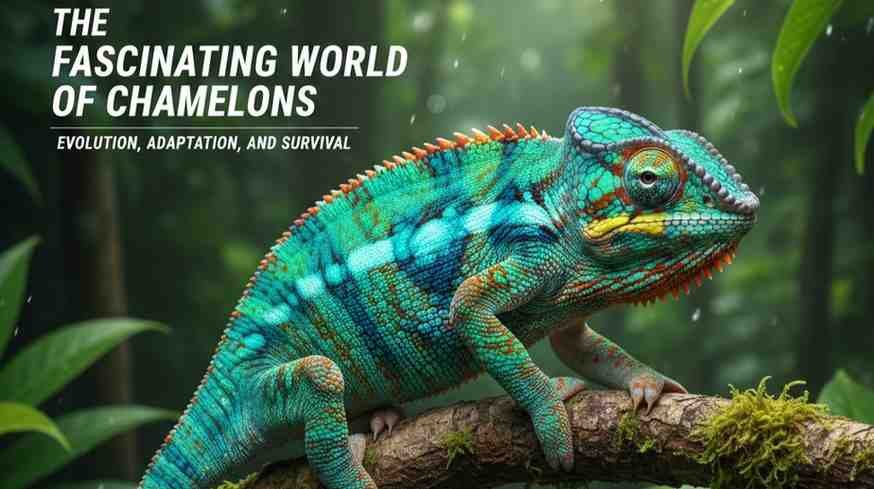
Chameleónovité represents one of the most intriguing reptile families on the planet, captivating biologists, wildlife lovers, and nature explorers alike. Known for their color-changing abilities, unique eyes, and specialized habitats, these reptiles continue to inspire curiosity. In this comprehensive guide, we explore their evolutionary journey, behavior, diet, habitats, and ecological importance while weaving in modern scientific insights and real-world observations.
Understanding the Evolutionary Roots of Chameleónovité
The evolutionary origin of chameleónovité dates back millions of years, with researchers believing they emerged from ancient lizard lineages that adapted to diverse environmental conditions. Their development showcases a fascinating blend of natural selection, survival instincts, and environmental adaptation.
Early Evolutionary Adaptations
Over time, these reptiles developed remarkable features: zygodactylous feet for gripping branches, elongated tongues for accurate prey capture, and independently moving eyes. These changes weren’t random—they allowed chameleons to dominate arboreal ecosystems.
How Evolution Shapes Their Behavior
From camouflage techniques to slow, calculated movements, their entire existence is shaped by evolutionary pressures. These traits help them sustain life in forests, woodlands, savannas, and mountainous regions.
Unique Physical Traits That Define Chameleónovité
Among reptiles, few possess features as iconic and scientifically fascinating as those of chameleónovité. These traits not only support survival but also give chameleons their mystical and almost otherworldly appearance.
The Magic of Color-Changing
Chameleons don’t change color just for camouflage. They also adjust hues based on mood, temperature, communication, and mating signals. Iridophores—specialized skin cells—allow them to reflect light and shift pigments accordingly.
Specialized Eyes and Tongue Mechanics
Their eyes are capable of 360-degree vision, enabling them to scan for predators and prey simultaneously. Meanwhile, their sticky, extensible tongues can strike prey within milliseconds, ensuring efficient hunting in dense vegetation.
Habitats and Environmental Preferences of Chameleónovité
The global distribution of chameleónovité stretches across Africa, Madagascar, Southern Europe, and parts of Asia. Each region presents unique environmental conditions that shape their physical and behavioral traits.
Forest vs. Savanna Species
Forest chameleons thrive in humid, vegetation-rich environments with stable temperatures. In contrast, savanna-dwelling species have adapted to open landscapes, fluctuating temperatures, and diverse prey availability.
Microhabitats and Daily Routines
Even within larger ecosystems, chameleons occupy extremely specific microhabitats. Some prefer dense foliage, while others cling to bare branches or shrubs. Temperature regulation plays a key role in their daily activity patterns.
Diet, Hunting Behavior, and Survival Techniques
Although chameleons appear calm and slow, they are surprisingly effective hunters. Their diet reflects a balance of nutritional needs and environmental availability.
Insectivores by Nature
Most chameleónovité species feed primarily on insects such as crickets, grasshoppers, and beetles. Larger species may consume small birds or other lizards when available.
Hunting Techniques and Tongue Projection
Their signature “sit-and-wait” strategy minimizes energy loss. Once prey enters their line of sight, the tongue launches with stunning accuracy. This evolutionary advantage ensures survival even in prey-scarce environments.
The Role of Chameleónovité in Ecosystems and Conservation Efforts
Chameleons add tremendous value to ecosystems worldwide, making them a crucial part of biodiversity conservation efforts.
Ecological Significance
As insect predators, they help keep insect populations under control. This balance contributes to healthier forests, gardens, and natural landscapes.
Threats and Conservation Priorities
Habitat loss, climate change, and illegal wildlife trade threaten many species. Conservation organizations emphasize habitat protection, captive breeding programs, and public awareness to safeguard their future.
FAQ: Common Questions About Chameleónovité
Q1: What makes chameleons different from other reptiles?
Their independently moving eyes, color-changing skin, and projectile tongues make them biologically unique.
Q2: Do all chameleons change color?
Yes, but the extent varies by species. Some show subtle shifts, while others display vibrant transformations.
Q3: How long do chameleons live?
Most species live 2–10 years, depending on size, habitat, and environmental stress.
Q4: Are chameleons dangerous to humans?
No. They are gentle, non-aggressive reptiles focused on self-defense rather than confrontation.
Q5: Why are chameleons important to ecosystems?
They regulate insect populations and contribute to ecological balance in forests and savannas.
Conclusion
In the grand tapestry of nature, chameleónovité stands out as an extraordinary reptile family defined by evolutionary brilliance, stunning physical traits, and ecological significance. From their vivid color changes to their skillful hunting mechanisms, these reptiles continue to mesmerize researchers and animal lovers alike. As global conservation efforts grow and ecological awareness deepens, understanding their role and protecting their habitats becomes more important than ever. By studying chameleons more closely, we gain valuable insights into adaptation, biodiversity, and the delicate balance that keeps our natural world thriving.