

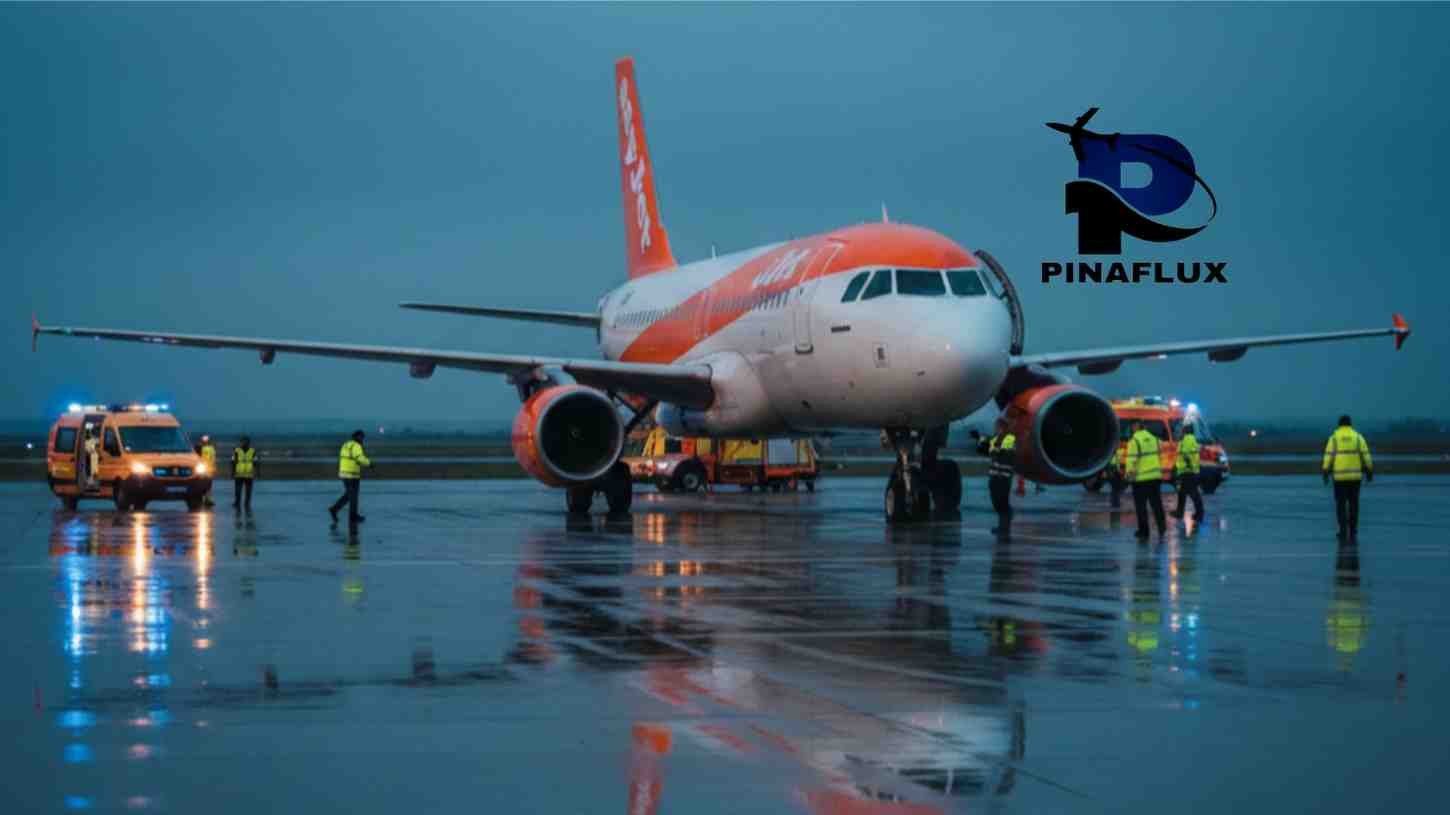
Aviation events—whether minor technical issues, precautionary diversions, or full emergency responses—often gain widespread attention. When travelers hear about situations like the easyjet u22152 emergency germany, many wonder what happened, how airlines handle such incidents, and what safety measures are involved. While specific details can vary from case to case, exploring how airlines respond to unexpected situations can help passengers feel more informed and confident about air travel. This 850-word guide breaks down the factors behind aviation emergencies, what passengers typically experience, and what safety systems exist to protect everyone on board.
Why Aviation Emergencies Gain Public Attention
Air travel is one of the safest forms of transportation, yet even minor incidents can spark public interest. Terms like easyjet u22152 emergency germany trend across social platforms because passengers value transparency when something deviates from a routine flight.
The Psychology of Air Travel
Despite statistical safety, flying often creates anxiety for some people. Sudden altitude changes, unusual sounds, or precautionary announcements can heighten concern, even when there is no real danger.
Media and Social Sharing
Modern travelers frequently share real-time updates, turning even small diversions into high-visibility events. This cycle contributes to broader public curiosity about airline operations and safety responses.
How Airlines Respond to In-Flight Emergencies
When an unexpected situation occurs—technical, medical, or environmental—airlines follow strict procedures designed to minimize risk.
Pilot Training and Safety Protocols
Pilots undergo extensive training to handle everything from engine warnings to weather challenges. Standard operating procedures ensure consistent, calm responses during events similar to the easyjet u22152 emergency germany discussions.
Communication With Air Traffic Control
Clear communication ensures flights receive priority landing, alternate route clearance, or on-ground assistance. The coordination between pilots and control towers is one of the most critical elements of a safe outcome.
What Passengers Typically Experience During a Diversion or Emergency
For passengers, the cabin experience during an unexpected event can vary depending on the situation. Airlines aim to maintain calm and provide essential information.
Cabin Crew Role
Flight attendants are trained to manage crowd control, provide reassurance, and carry out safety procedures. Their ability to remain calm directly influences passenger comfort.
Passenger Reactions
Some passengers remain relaxed, while others may feel anxious or uncertain. In events similar to the reported easyjet u22152 emergency germany topic, mixed emotions are common, especially if the reason for the diversion is unclear.
Safety Technology That Protects Modern Flights
One reason aviation remains highly safe is the advanced technology built into modern aircraft. Even when alarms or system messages appear, these tools are designed to detect issues before they become severe.
Redundant Systems
Commercial planes are built with multiple fail-safe layers, ensuring functionality even if one system shows irregular readings.
Real-Time Monitoring
Aircraft health is monitored during flight, allowing quick decision-making if conditions require an early landing or inspection. This framework helps explain why incidents like the easyjet u22152 emergency germany story often end safely.
Understanding Why Precautionary Landings Are Common
Many flight diversions or emergency responses are precautionary rather than dangerous. Airlines prioritize safety above scheduling.
Technical Alerts
Even something routine, such as a sensor error, can prompt pilots to land early for inspection.
Medical Scenarios
Passenger health issues can require immediate landing, which is one of the most common reasons for flight diversions worldwide.
Situations described in phrases like easyjet u22152 emergency germany often fall into these precautionary categories rather than severe emergencies.
FAQ Section
Q1: Do precautionary landings mean the flight was unsafe?
A: Not necessarily. Many diversions are preventive steps taken long before a situation becomes dangerous.
Q2: How often do emergency diversions happen?
A: They’re relatively rare compared to the total number of global flights, but they do occur as part of standard safety procedures.
Q3: Are passengers told the exact reason during the flight?
A: It depends. Crew may share information when appropriate, but some details can only be confirmed after landing.
Q4: What should passengers do during an unexpected landing?
A: Stay seated, follow instructions, and remain calm. Flight crew are trained to handle the entire process.
Q5: Does a story like easyjet u22152 emergency germany mean the airline is unsafe?
A: No. A single incident or diversion doesn’t reflect the overall safety performance of an airline.
Conclusion
Aviation incidents—whether simple diversions or detailed investigations—capture attention because travelers want assurance that flying remains safe. Topics such as the easyjet u22152 emergency germany conversation highlight the natural curiosity people have about how airlines manage unexpected situations. Fortunately, modern aircraft, highly trained crews, and sophisticated monitoring systems ensure that even precautionary actions are handled professionally and safely. Understanding these processes not only reduces anxiety but also reinforces trust in air travel.