

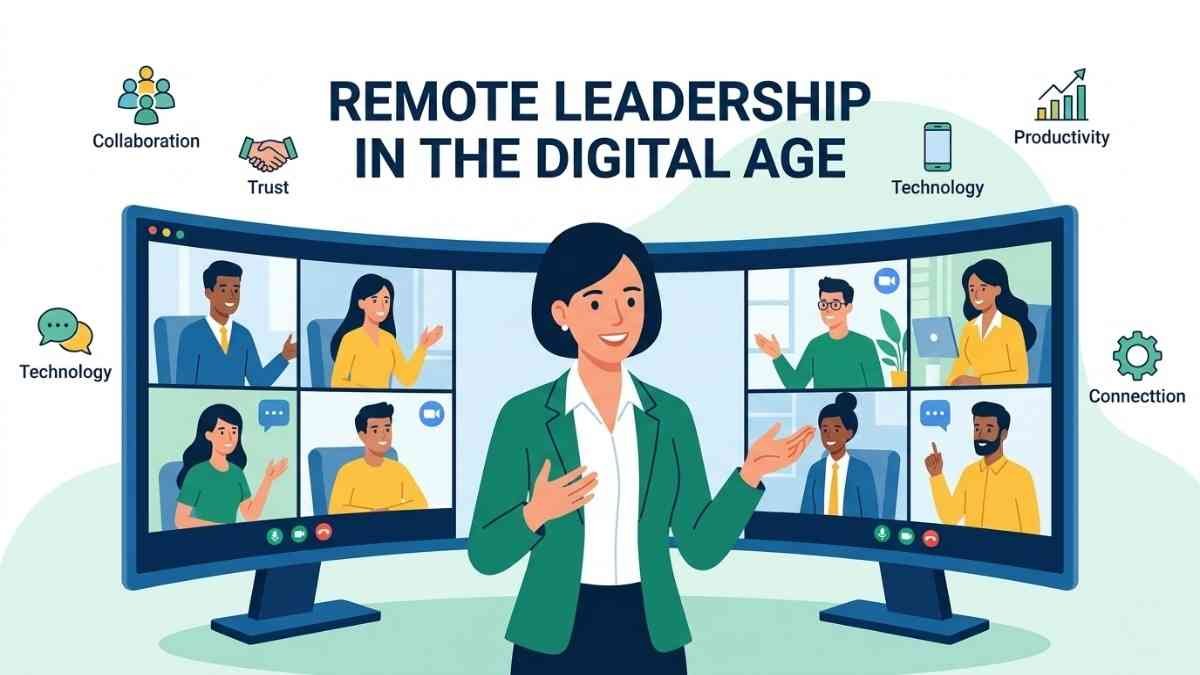
The ability to master the art of remote leadership is now imperative for your success in the modern digital age. Remote working is now becoming an integral part of the way modern organizations are run. It is no longer just a passing phenomenon. Today’s leaders need to be skilled at managing remote employees with the increasing adoption of flexible working hours in organizations.
Regardless of your geographical location, it is important to be productive and manage your team and collaboration with the help of remote workforce management. In this blog, inspired by professional advice and industry best practices, we will discuss eight valuable tips on how to manage your remote employees this year using an employee tracker – https://controlio.net/employee-monitoring.html
Cooperation and Communication
Employee viewpoint: Achieving work-life balance in a remote team requires open and efficient communication. In order to convey their availability and establish reasonable expectations, remote team members should work to promote a transparent culture.
Prioritize Empathy in the Digital Environment
Every screen conceals a human being with feelings, ideas, and happy and difficult lives. The proficiency of a leader in using a variety of digital tools and platforms will help in communication and provide a standard for the group.
Accept the Variations in Digital Communication
In the digital age, where handshakes are replaced by pixels, remote leadership necessitates a special understanding dance. Even the best-intentioned messages can be ruined by misinterpretations caused by the lack of in-person indications. But there is a chance for dynamic leadership in this virtual world. Every click is going to make you a better leader. Remain grounded, remain curious, and remain a true leader in order to transform the cyber world into a space where motivated leadership is possible.
Guide to Successful Remote Teams
This guide provides eight tips that serve as a road map for building successful remote teams. Using technology is key to helping managers achieve this with the assistance of these tips. Building a connected, flexible, and inclusive team is the way to go.
Developing Employee Empowerment and Trust
Trust will have a direct influence on accountability and engagement in distant performance management. Managers have to be cautious about how they establish trust and offer support without having any kind of face-to-face interaction. The development of quantified objectives and clear expectations helps remove ambiguity and provides employees with power. Leaders that often check in with their team members and respond to their issues demonstrate their concern.
How to enhance your remote teams’ work-life balance
In order to ensure both professional success and personal contentment, we’ll look at ways to establish a healthy work culture for remote teams in this post, guided by the Controlio Compliance Playbook here.
Be a role model.
One aspect of being a leader is being a role model. This means not just being culturally sensitive and driven and involved in work, but also getting things done on time, taking regular vacations, and being out of reach during evenings.
It may sound absurd taking a break from work when you are a leader expected to show high work ethics, yet highly involved leaders who work ridiculously long hours, never take a vacation, and are online 24/7 make their workers feel as if they should do the same. This eventually takes a toll on their workers, making them worn out and unproductive.
Avoid contacting staff members after work.
If you are the one sending emails and Slack messages to your employees after their workday has officially finished, you cannot expect them to disconnect with a clear conscience. By not contacting them, you are showing your employees that if they go offline after work hours, they don’t miss anything and are not required to be online in between work days or even on holidays.
Tell your employees to unplug after work hours.
However, it may not be enough not to contact your employees after work hours to encourage them to unplug. Alternatively, some active persuading may be required. Encourage them to disregard work-related emails when they’re not working and to clock off on time. You may even mention it to new hires during the onboarding process and offer instructions on how to accomplish this in your employee handbook.