

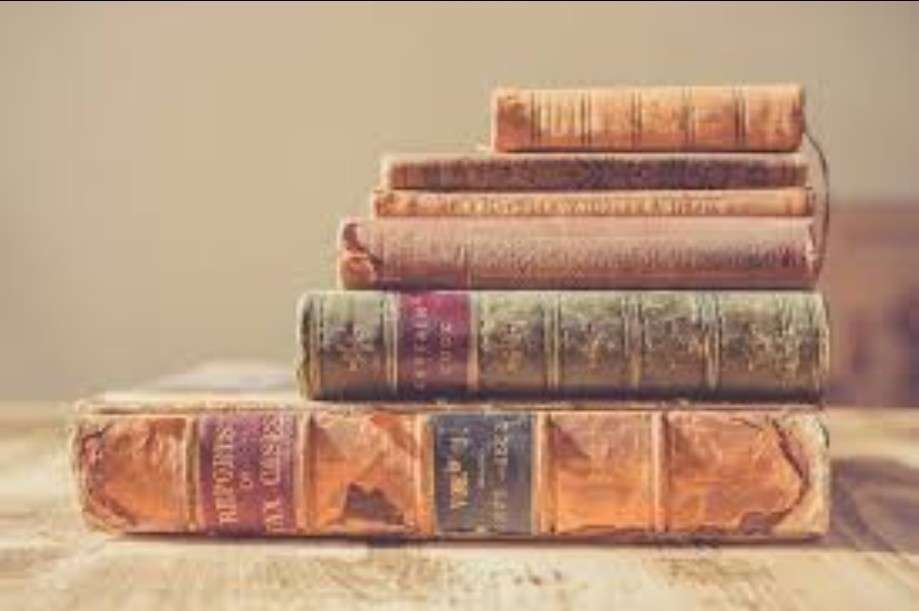
Books have always been more than ink on paper. They are quiet companions, teachers without classrooms, and doors to lives we may never otherwise live. Across centuries and cultures, literature has shaped how humans think, feel, and imagine the world. Even in an age dominated by screens and fleeting content, books continue to hold a unique and irreplaceable power.
This simple truth explains why literature has survived every technological shift. A single book can transport a reader across time, into distant lands, or deep within the human mind. Whether it is a novel, a poem, or a philosophical essay, literature allows us to experience emotions and ideas far beyond our immediate surroundings. A book slipped into a bag or held in one hand can contain entire universes, making it one of humanity’s most remarkable inventions.
“Books are a uniquely portable magic. The greatest wealth is to live content with little. Freedom is not worth having if it does not include the freedom to make mistakes.”
Literature also teaches us how to live with less and appreciate more. In stories of simplicity, struggle, and resilience, readers often discover that fulfillment does not depend on excess. Many classic works explore this idea, reminding us that meaning often comes from relationships, purpose, and inner peace rather than material accumulation. Through characters who lose everything yet gain wisdom, books gently guide us toward a more thoughtful understanding of success and happiness.
Another vital role of literature is its ability to explore freedom, especially the freedom to fail, to learn, and to grow. Stories allow us to make mistakes safely, through the lives of fictional characters, while reflecting on our own choices. Literature embraces this truth by portraying flawed heroes, imperfect decisions, and the long journeys toward redemption or understanding. These narratives remind us that growth is rarely linear and that mistakes are often the most powerful teachers.
Books also preserve culture and memory. Long after voices fade and civilizations change, literature remains as a record of how people once thought, loved, feared, and dreamed. Reading literature from different times and places builds empathy, helping us recognize both the differences and similarities that define humanity. A reader who explores diverse literary voices becomes more open-minded, more curious, and more deeply connected to the world.
In education, literature sharpens critical thinking and language skills, but its value extends far beyond academic achievement. Reading encourages patience in a fast-paced world, focus in a distracted age, and reflection in a culture that often prioritizes speed over depth. A book demands attention, but it rewards the reader with insight, comfort, and sometimes transformation.
Perhaps most importantly, literature reminds us that we are not alone. Somewhere, someone has felt what we feel and found words for it. In moments of joy, sorrow, confusion, or hope, books meet us where we are. They do not rush us or judge us; they simply offer understanding.
In the end, books and literature remain essential because they speak to what it means to be human. They entertain, challenge, and heal. As long as people seek meaning, freedom, and connection, literature will continue to matter quietly, powerful, endlessly relevant, and always waiting to be opened.