

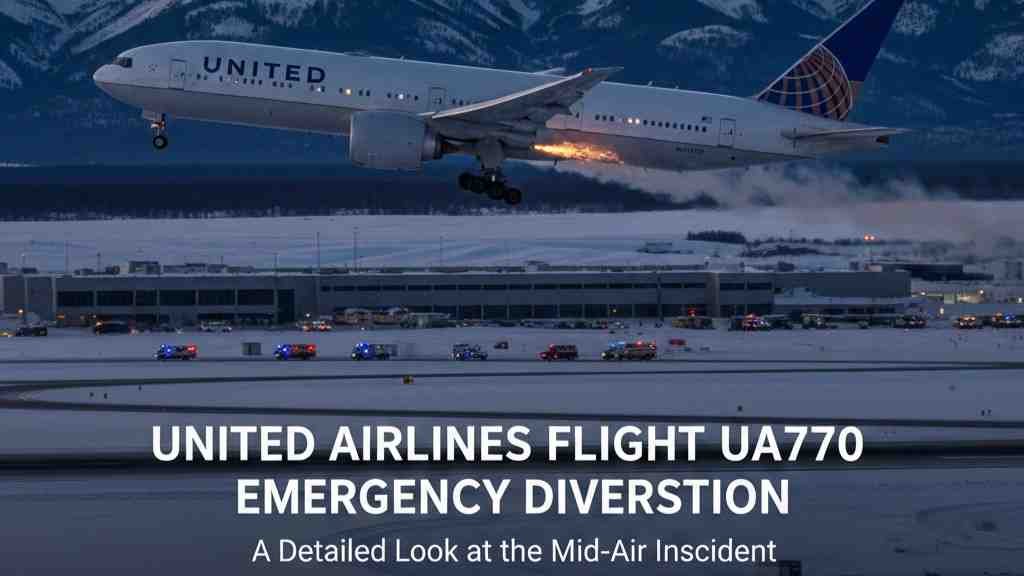
Understanding the Incident and Its Impact
When news broke about united airlines flight ua770 emergency diversion, travelers and aviation enthusiasts immediately sought clarity on what happened and why. With global air travel increasing and aircraft safety remaining one of the industry’s top priorities, incidents like this capture wide attention. This article explores the timeline, causes, passenger experiences, operational responses, and aviation protocols that shaped this unexpected event.
Timeline of the Mid-Air Diversion
Aviation diversions rarely happen without reason, and every minute matters during such events. Understanding the sequence of events helps illustrate how the crew and airline handled the situation responsibly.
Key Moments Leading to the Diversion
Before the united airlines flight ua770 emergency diversion occurred, routine flight procedures were in motion. Weather updates, cabin observations, and communication with air traffic control formed part of the standard operations. Once the crew detected the issue, protocol dictated immediate evaluation and quick decision-making. Within minutes, the captain coordinated with ground teams to determine the safest airport for landing.
Passenger Reactions During the Incident
Passengers later shared that the crew remained calm, reassuring, and transparent as the diversion unfolded. This communication plays a crucial psychological role, reducing panic and helping travelers understand that safety is always the priority.
Possible Causes Behind the Diversion
Diversions happen for a range of technical, medical, and environmental reasons. While official reports provide the full picture, early insights help shape public understanding.
Technical Factors Considered
Although modern aircraft include multiple redundancy systems, any anomaly can trigger precautionary protocols. Aircraft sensors, engine indicators, pressurization controls, and avionics are closely monitored, and even minor irregularities may trigger a reroute. During the united airlines flight ua770 emergency diversion, safety checks were performed both mid-air and upon landing to ensure the aircraft’s integrity.
Medical and Passenger-Related Scenarios
Medical emergencies are among the most common causes of flight diversions. Airlines train crew members to handle these situations and work closely with on-ground medical teams. Passengers experiencing severe symptoms, sudden illness, or urgent health crises often require immediate landing at the closest suitable airport.
How Airlines Respond to In-Flight Emergencies
Airlines rely on strict protocols whenever an emergency diversion occurs. These procedures ensure a coordinated and efficient response.
Communication Between Crew and Ground Staff
The cockpit crew maintains constant communication with dispatchers and air traffic control, making sure every decision aligns with safety guidelines. In the case of united airlines flight ua770 emergency diversion, rapid coordination allowed ground teams to prepare for landing, support passengers, and secure the aircraft.
On-Ground Support After Landing
Once the plane lands, engineers inspect the aircraft, while airline representatives assist passengers with rebooking, refreshments, and accommodations if needed. These support systems aim to minimize inconvenience and anxiety caused by unexpected changes.
Passenger Experiences and Safety Measures
Air travelers naturally want to feel secure, which is why airlines emphasize safety training for crew members and transparent communication during incidents.
Comfort and Reassurance Onboard
Passengers reported that flight attendants maintained professionalism throughout the event. From helping calm nervous travelers to providing updates, the crew played a vital role in managing the atmosphere. The united airlines flight ua770 emergency diversion also highlighted how well-prepared crews are for rare but critical moments.
Post-Event Follow-Up
Many passengers appreciate post-incident communication. Airlines typically send emails or updates explaining the nature of the diversion and outlining next steps. This helps maintain customer trust and demonstrates accountability.
What This Incident Means for Future Air Travel
Every diversion—while inconvenient—offers valuable insights into the aviation industry’s safety standards and readiness to act.
Enhancing Safety Protocols
Airlines and regulatory bodies analyze incidents to identify improvement areas. Whether it involves mechanical reviews, updated crew training, or refined communication systems, each situation helps strengthen future safeguards.
Impact on Passenger Confidence
While some travelers may feel anxious after hearing about flight diversions, these incidents actually reinforce how seriously the industry takes safety. The united airlines flight ua770 emergency diversion showed that quick decisions, thorough procedures, and trained professionals can effectively protect passengers during unexpected challenges.
FAQ Section
Q1: What caused the diversion during this flight?
A: Official findings are typically released after a full investigation, but diversions often stem from technical, medical, or weather-related issues.
Q2: Are emergency diversions common?
A: They are relatively rare but do occur when safety protocols require immediate action.
Q3: How do airlines assist affected passengers?
A: Airlines offer rebooking options, customer support, and accommodations depending on the situation.
Q4: Are passengers refunded after a diversion?
A: Refund policies vary, but airlines often provide compensation depending on the cause and impact on travel plans.
Q5: Should passengers be worried about flying after hearing about such events?
A: No—diversions highlight the effectiveness of aviation safety systems, not their failure.
Conclusion
The united airlines flight ua770 emergency diversion reminds us that aviation safety is a well-structured system built on quick decision-making, advanced technology, and trained professionals. While the incident caused unexpected delays, it also demonstrated how effectively airlines respond when challenges arise mid-flight. For travelers, this event reinforces an important truth: safety always comes first, and every member of the aviation industry works tirelessly to uphold it.